



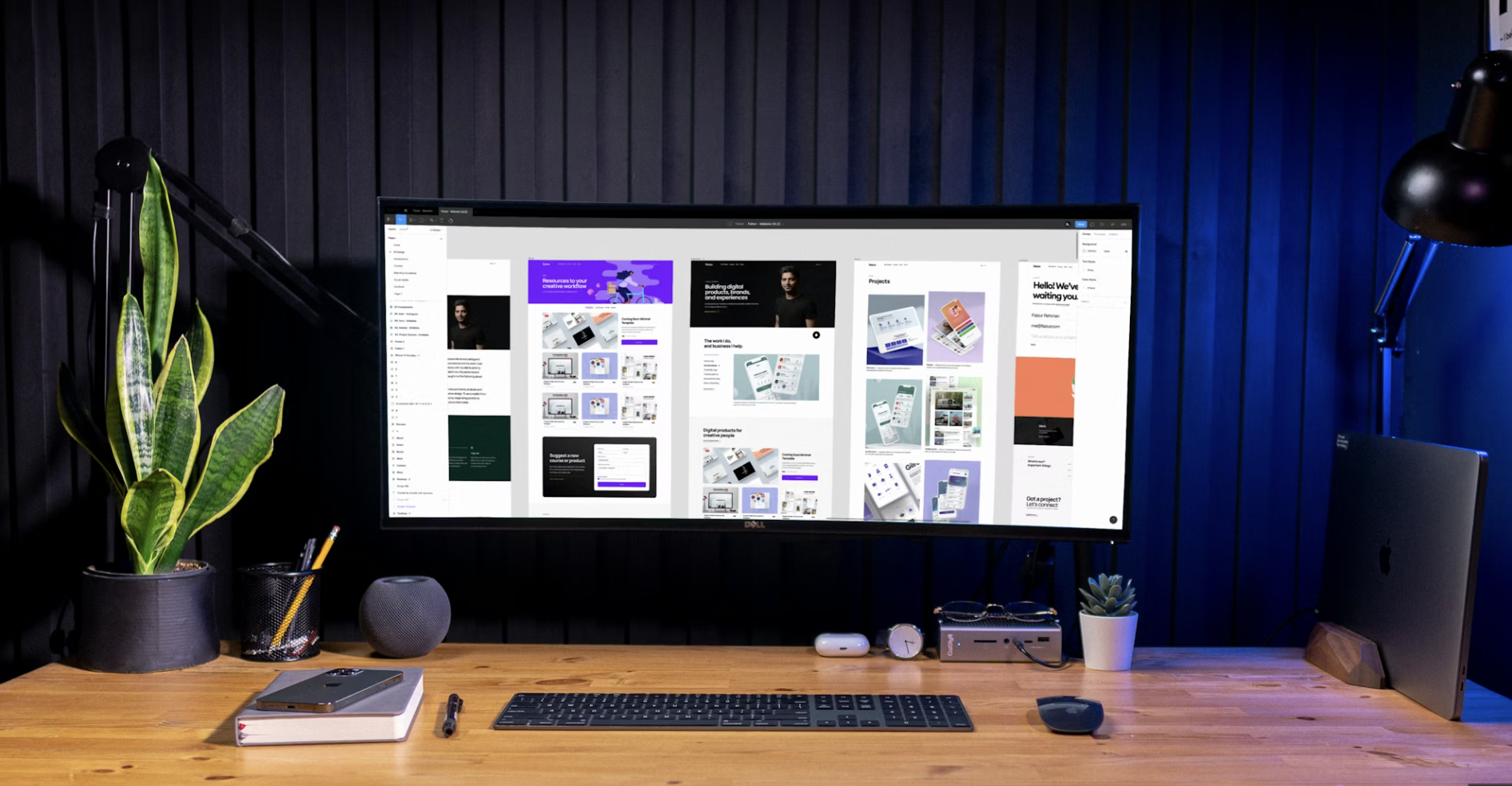
Discover why recruiters expect UX and UI designers to have a personal portfolio website and why PDF portfolios are becoming a thing of the past.
Why UX and UI Designers Must Have a Personal Portfolio Website
In the modern digital landscape, having a personal portfolio website has become an industry standard for UX and UI designers. This article will delve into why recruiters increasingly expect designers to have a personal portfolio website, how they evaluate these portfolios, and why PDF portfolios are less effective. Additionally, we will explore the importance of case studies, process presentation, and visual storytelling in your portfolio. Furthermore, the benefits of online resume and portfolio builders such as inmyresume.com will be highlighted.
The Importance of a Personal Portfolio Website
A personal portfolio website is more than just a digital resume; it is a platform that enables UX and UI designers to showcase their skills, creativity, and personality. It helps recruiters understand a designer's approach to problem-solving, their design process, and their ability to deliver visually appealing and user-friendly solutions. Unlike traditional resumes, portfolio websites allow designers to demonstrate their skills in action.
How Recruiters Evaluate Designers
Recruiters look at several factors when evaluating designers. These include creativity, problem-solving skills, technical proficiency, and understanding of user-centered design principles. A well-curated portfolio website can effectively showcase these skills. It enables designers to demonstrate their process from initial concept to final execution, providing recruiters with insight into their problem-solving capabilities and design approach.
Why PDF Portfolios Fall Short
While PDF portfolios were once the standard, they are now becoming less popular. They lack the interactivity and dynamism of a website and often fail to fully capture a designer's skills and creativity. Moreover, PDFs don't allow for comprehensive case studies or process presentations, which are crucial in demonstrating a designer's approach to problem-solving and project management.
The Power of Case Studies and Process Presentation
Case studies and process presentations are essential elements of a successful portfolio website. They allow designers to showcase their thought process, decision-making skills, and ability to deliver results. A well-executed case study can illustrate your problem-solving skills, your understanding of user needs, and your ability to create visually appealing and user-friendly designs.
Visual Storytelling and Its Impact
Visual storytelling is another crucial aspect of a portfolio website. By presenting your projects visually, you can engage recruiters and help them understand your design process better. This not only showcases your design skills but also demonstrates your communication abilities and understanding of user experience principles.
How Online Resume and Portfolio Builders Can Help
Creating a portfolio website may seem daunting, but online resume and portfolio builders like inmyresume.com can make the process easier. They provide a variety of templates and customization options, helping you create a professional and visually appealing portfolio that stands out.
Conclusion
In conclusion, a personal portfolio website has become an essential tool for UX and UI designers. It allows you to showcase your skills and creativity, demonstrate your design process, and engage recruiters with visual storytelling. So, if you're a designer looking to impress potential employers, investing time and effort in creating a powerful portfolio website is a step in the right direction.